

Pathways of Mastery
-
Alchemist
Shared King Suite
5-Night Journey
Includes All 10 Immersive Workshops
Expanded Alchemist Kits
Exclusive Inner-Circle Forum Access
Alchemist’s Reliquary Vault
Continental Breakfast
Dollywood Full Access Pass
Pigeon Forge Dinner Experience
Advanced Class Access
Catered Lunch Provided
Early Check-In -
Practitioner
Shared King Suite
5-Night Journey
Includes 7 Immersive Workshops
Deluxe Practitioner Kits
Exclusive Inner Circle Forum Access
Deluxe Welcome Basket
Continental Breakfast
Dollywood 1-Day Access
Pigeon Forge Dinner Experience -
Initiate
Custom Queen Bunk Suite (sleeps 6)
5-Night Journey
Includes 7 Immersive Workshops
Standard Ritual Kits
Exclusive Inner Circle Forum Access
Foundations Welcome Basket
Continental Breakfast
Dollywood 1-Day pass
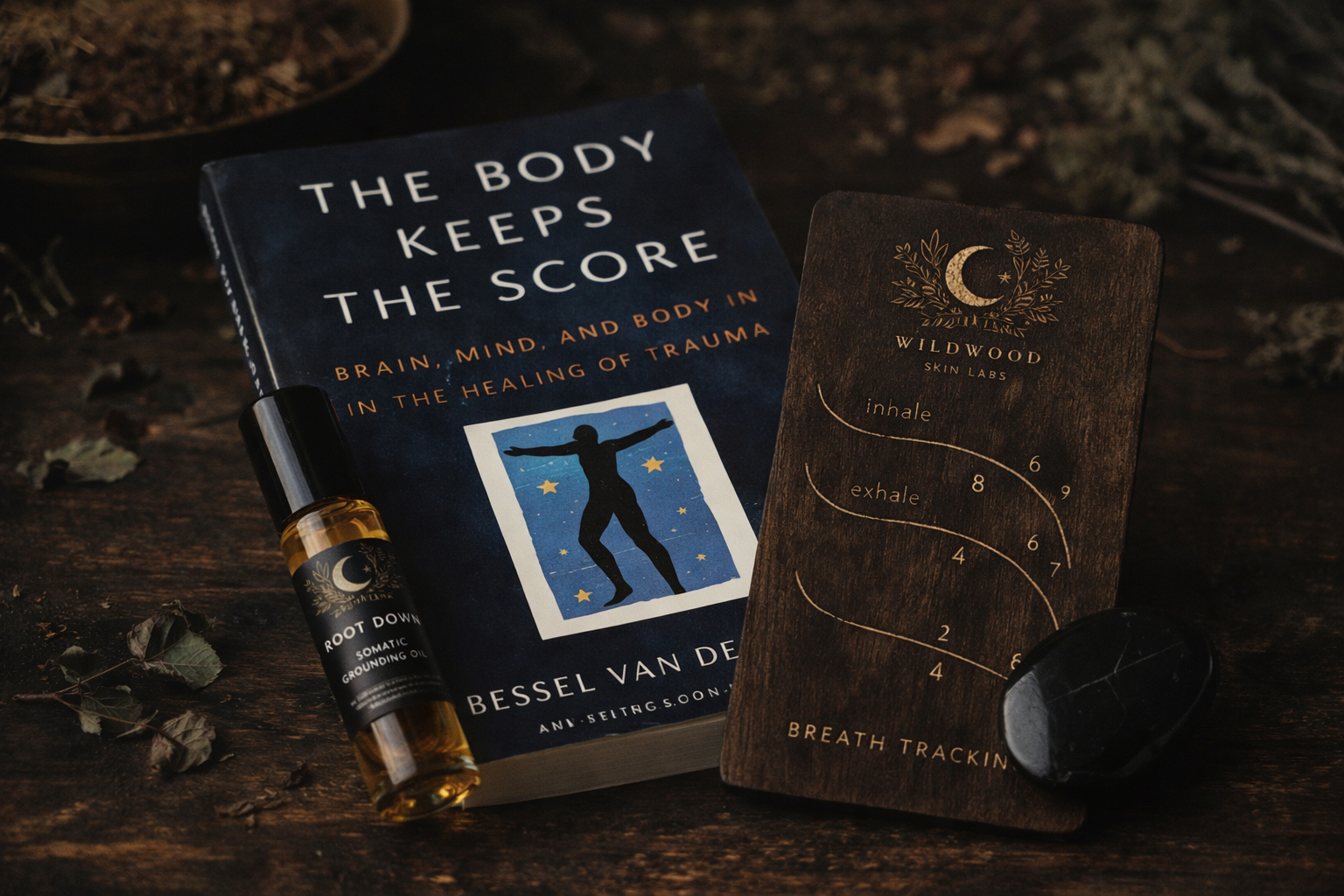
Course 01
SOMATIC & NERVOUS SYSTEM BASICS
Required before attending any other somatic classes
Description:
This foundational course introduces estheticians to the nervous system’s role in client healing, practitioner presence, and treatment outcomes. Students learn how to track stress responses, regulate their own touch rhythm, and recognize the somatic undercurrents beneath every skin response.
This is a lecture-based course with no hands-on practice, designed to prepare students for the deeper somatic work that follows.
What You’ll Learn:
• Somatic theory for estheticians
• Nervous system states (fight, flight, freeze, fawn)
• How trauma can show up in the skin and body
• Breath and posture regulation for practitioner presence
• The role of witness touch in healing
Required For:
All other somatic bodywork and trauma-release classes in this retreat.
Course 02
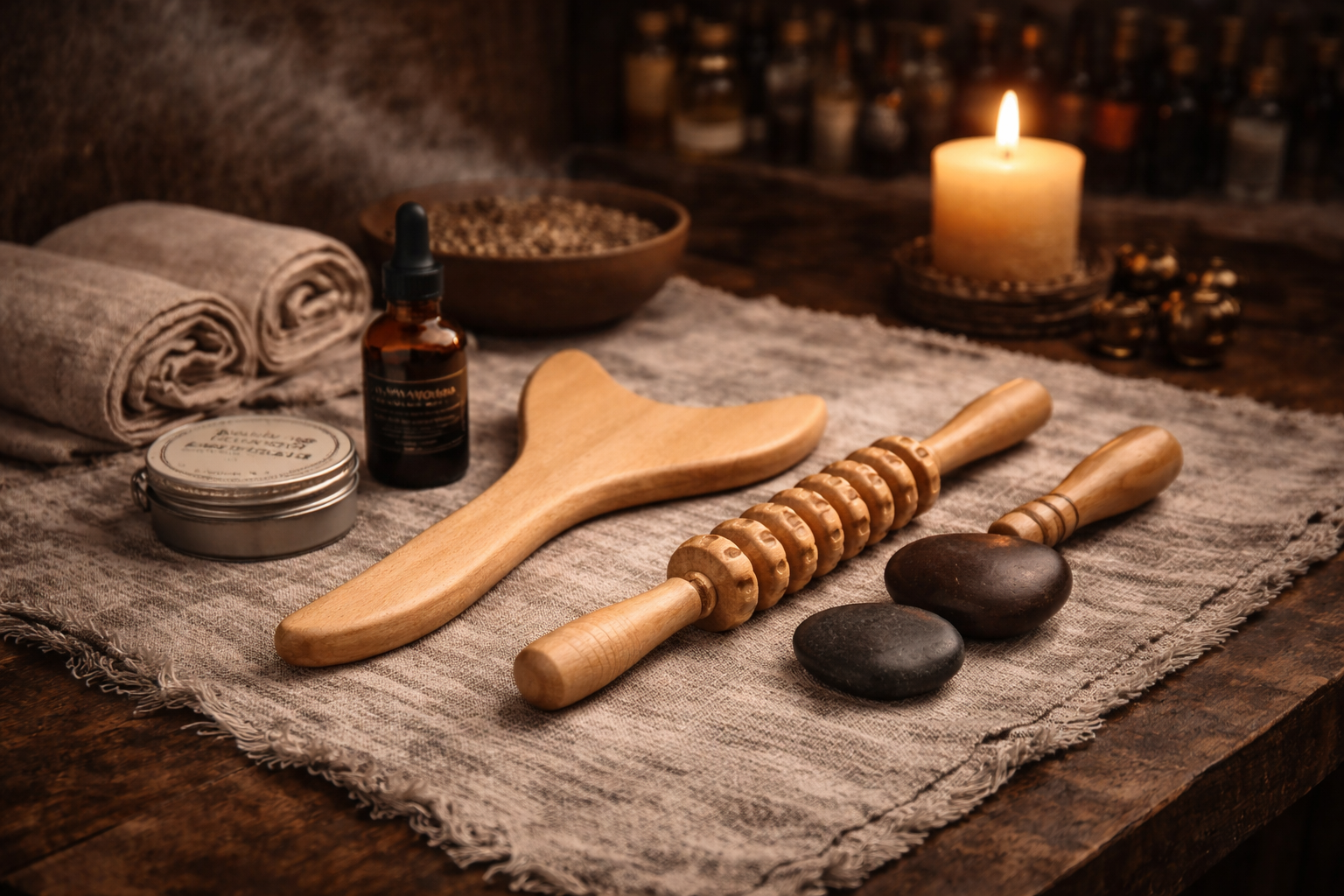
SACROCRANIAL & MYOFASCIAL LISTENING
Somatic bone holding, fascial flow, and nervous system integration
Description:
This course introduces estheticians to subtle cranial bone holding and myofascial listening as a unified somatic practice. Students learn how to listen through their hands, support the body’s natural settling response, and gently transition from stillness into fascial flow without forcing change.
This is a somatic, scope-appropriate approach to cranial-adjacent work designed specifically for the treatment room. It is not a craniosacral certification course.
What You’ll Learn:
• Principles of sacrocranical bone holding and containment
• Listening for tissue response rather than force-based change
• Transitioning from stillness into myofascial flow
• Nervous system cues that guide pressure, pacing, and pause
• Practitioner self-regulation during subtle work
• Ethical scope, consent, and contraindications for cranial-adjacent touch
Course 03
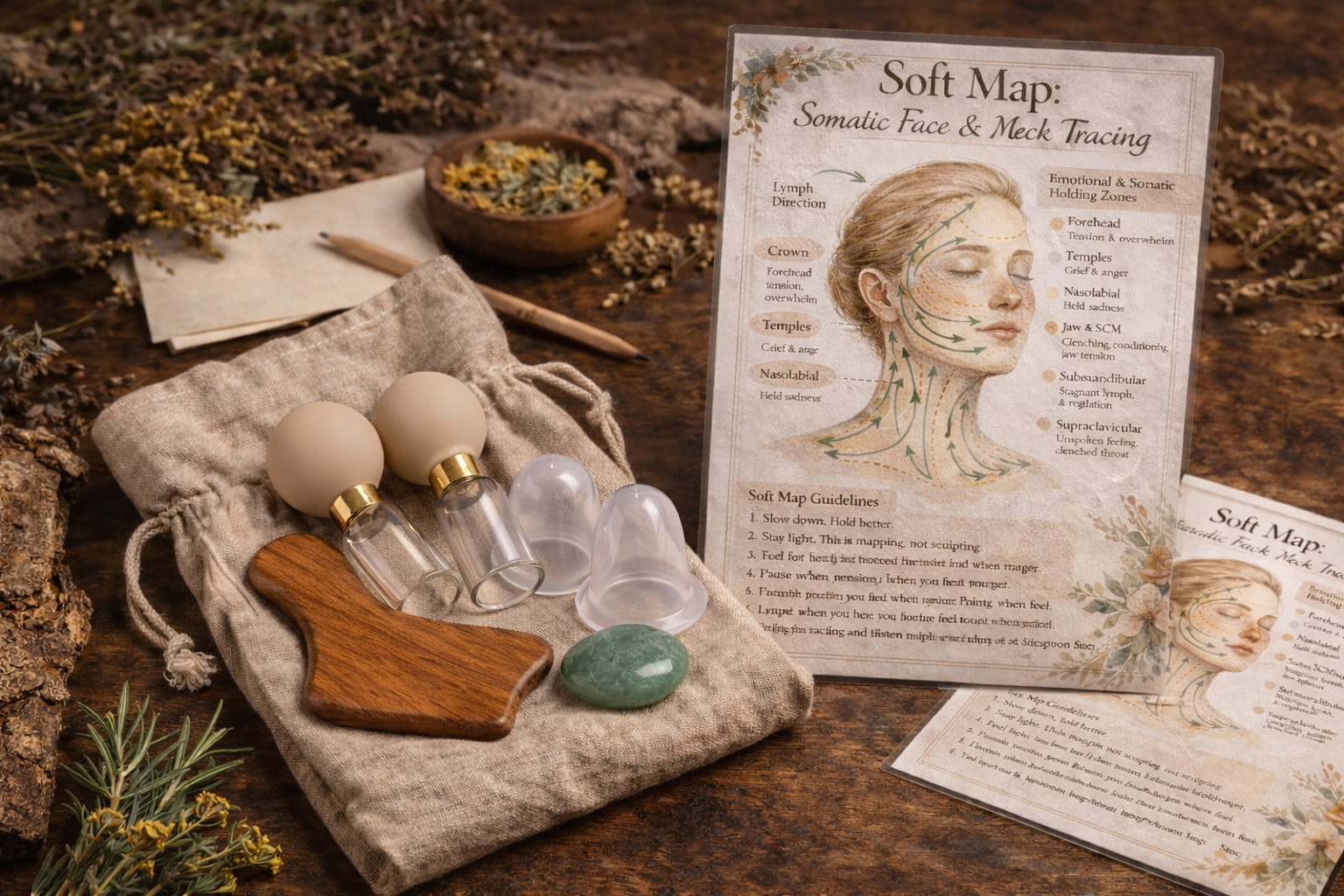
SOFT MAP: SOMATIC FACE & NECK TRACING
Gentle facial myofascial mapping, lymph flow awareness, and somatic pattern recognition
Description:
This course teaches estheticians how to trace the face and neck with intention using slow, guided movement. Students learn to map fascial tension, lymphatic stagnation, and somatic holding patterns while supporting nervous system regulation through light, responsive touch.
Soft Map work is diagnostic and integrative rather than sculptural, making it easy to incorporate into existing facial services without overstimulation.
What You’ll Learn:
• Facial and neck myofascial tracing techniques
• Lymph flow direction and stagnation awareness
• Using movement without overstimulation
• When to pause versus when to proceed during facial work
• Integrating somatic awareness into standard facials
• Pressure restraint and pacing for nervous system safety
• Scope-appropriate use of facial cupping for mapping and decompression
Course 04
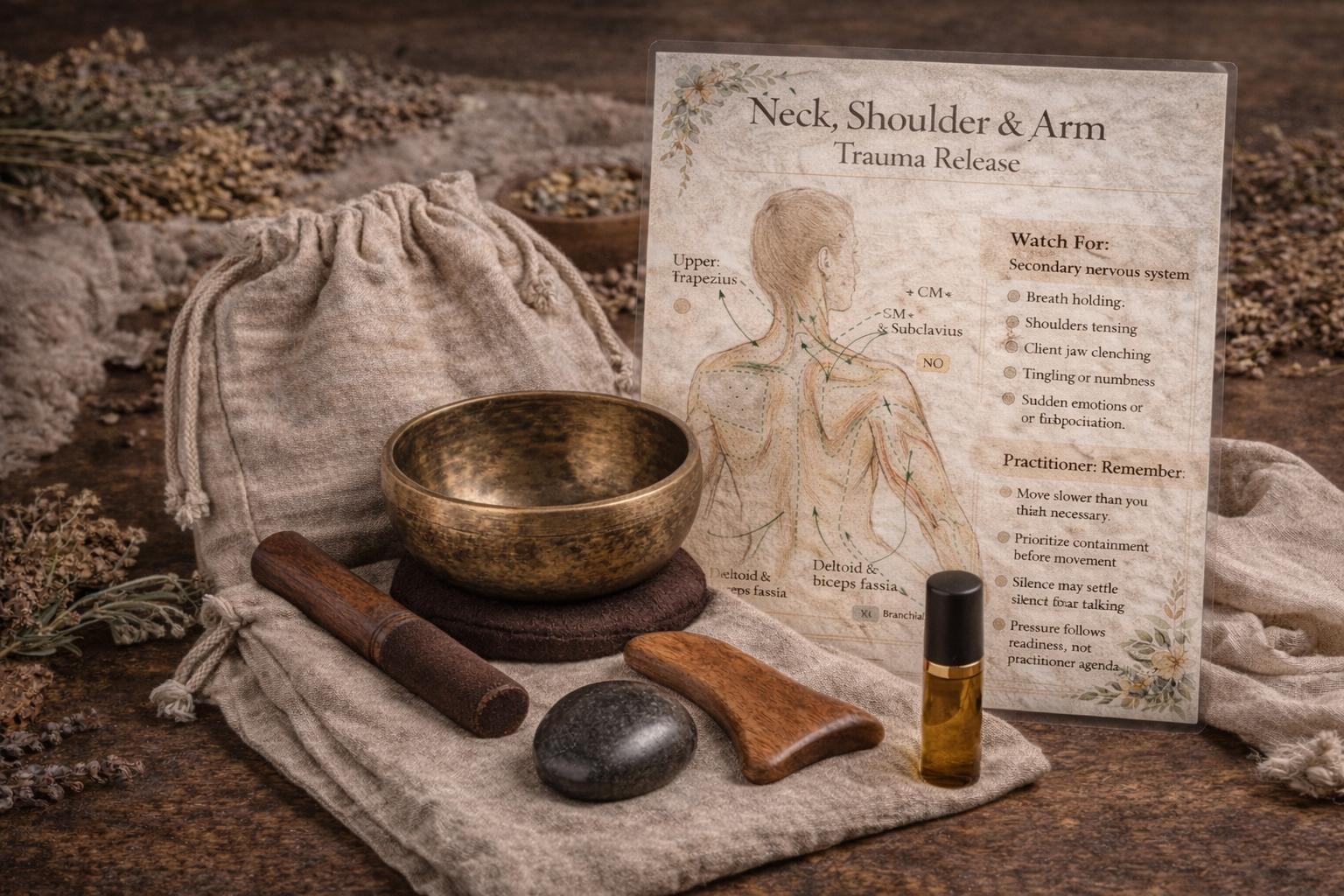
UPPER BODY Somatic RELEASE
Neck, shoulders, arms, and hands
Description:
This course focuses on the upper body as a continuous trauma and stress-holding system, moving from the neck and shoulders through the arms and into the hands. Estheticians learn how to support release through slow, regulated somatic touch that prioritizes safety, containment, and nervous system integration.
Students are taught how to recognize guarding, follow tissue readiness, and guide release without force. Sound tools are introduced to support regulation, integration, and completion during emotionally charged or deeply settling work.
What You’ll Learn:
• Common trauma and stress holding patterns in the upper body
• Somatic techniques for releasing tension without force
• Working safely with neck, shoulders, arms, and hands
• Recognizing guarding versus readiness to release
• Supporting discharge and grounding through the arms and hands
• Using sound tools to assist nervous system regulation and integration
• Practitioner self-regulation during release work
Course 05
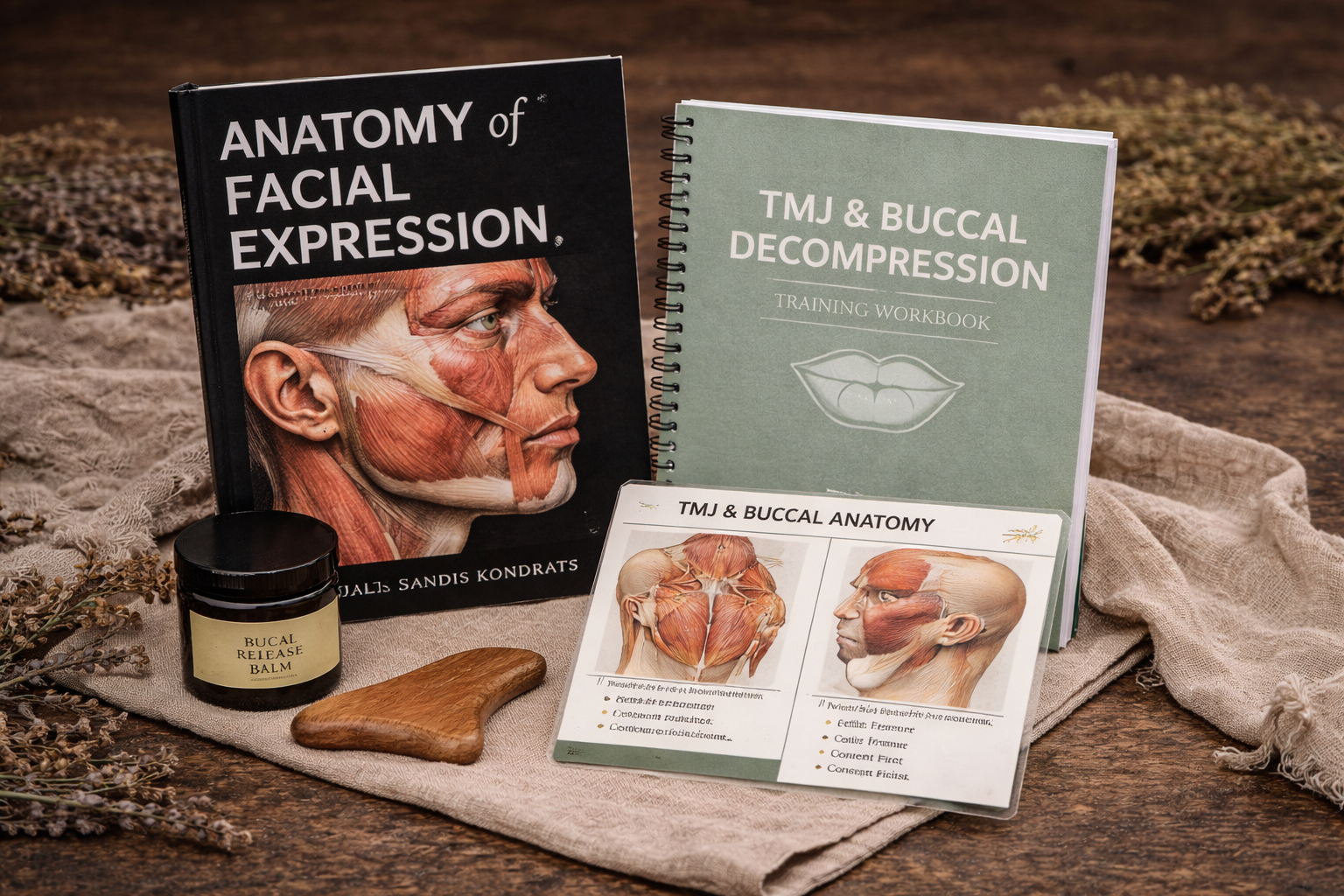
TMJ & BUCCAL DECOMPRESSION
Jaw tension awareness, intraoral techniques, and facial comfort support
Description:
This course introduces estheticians to gentle, consent-forward techniques for addressing jaw tension and facial holding patterns through external and intraoral touch. Students learn how to support relaxation and comfort in the jaw and surrounding tissues using slow pacing, intentional pressure, and clear communication.
Instruction emphasizes hygiene, professional boundaries, and scope-appropriate application of buccal techniques that can be seamlessly incorporated into facial services.
What You’ll Learn:
• Common jaw and facial tension patterns observed in spa clients
• External and intraoral techniques for supporting facial comfort
• Consent, hygiene, and professional boundaries for buccal work
• Pressure restraint and pacing for sensitive facial areas
• Nervous system cues that guide duration and touch
• Integrating jaw and buccal techniques into existing facials
Course 06
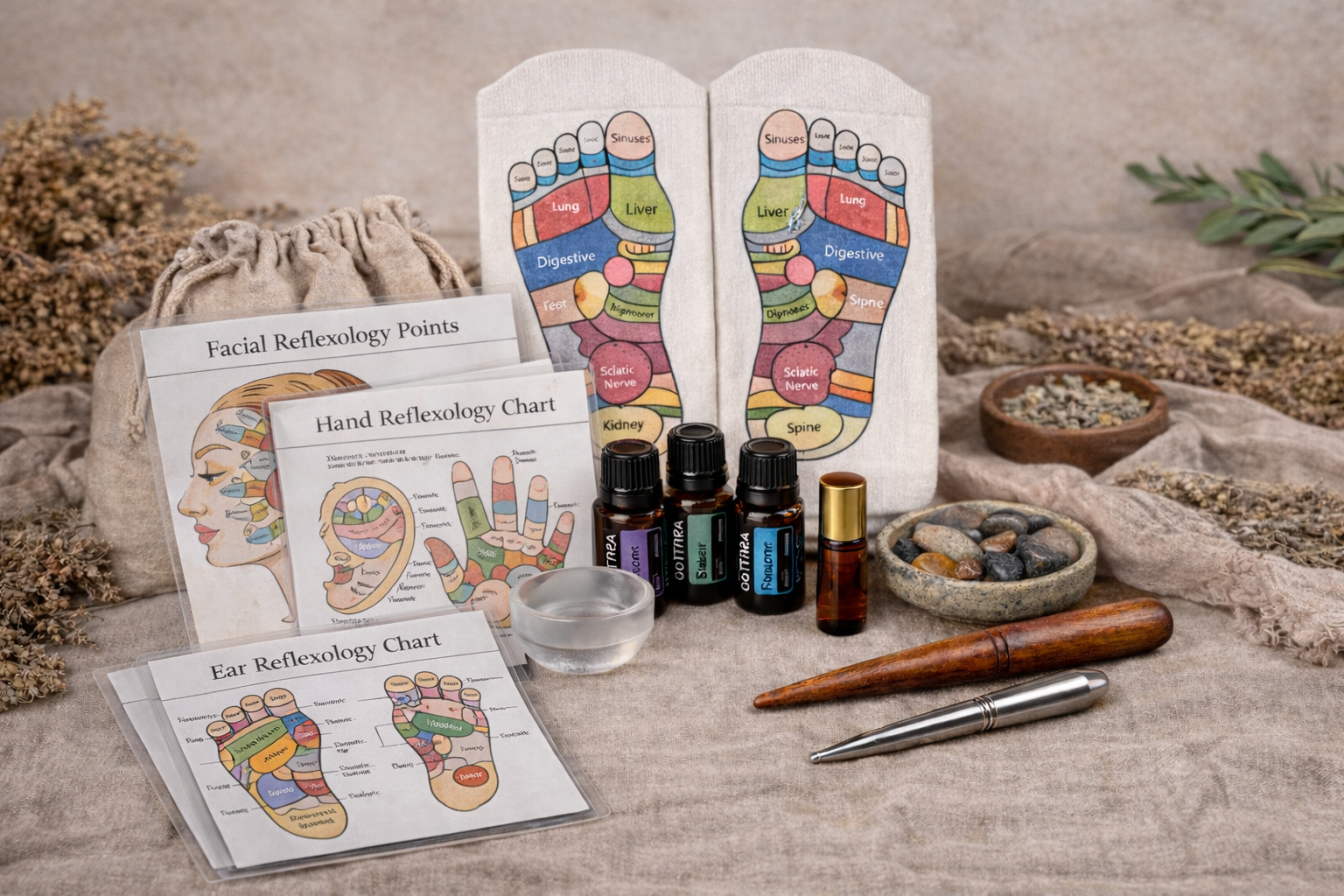
FACIAL, HAND & FOOT REFLEXOLOGY FOR ESTHETICIANS
Targeted pressure mapping for relaxation, circulation awareness, and whole-body integration
Description:
This course introduces estheticians to reflexology as a scope-appropriate wellness modality that supports relaxation, grounding, and overall client comfort. Students learn how reflex zones on the face, hands, and feet correspond to stress patterns and systemic holding, using gentle, intentional pressure rather than force.
Instruction emphasizes client feedback, pressure moderation, and ethical boundaries, allowing reflexology techniques to be seamlessly incorporated into facials, hand treatments, and foot rituals. The focus remains on nervous system support and client experience—not diagnosis or medical treatment.
This is not a medical reflexology certification. It is a spa-appropriate, relaxation-focused approach designed specifically for licensed estheticians.
What You’ll Learn:
• Foundational reflexology concepts for face, hands, and feet
• How to apply targeted pressure safely and comfortably
• Reading client cues to guide depth, pacing, and duration
• Supporting relaxation and grounding through reflex work
• When reflex stimulation may be overstimulating or contraindicated
• Integrating reflexology into facials and body-adjacent services
• Scope, consent, and professional language for reflexology in the treatment room
Course 07
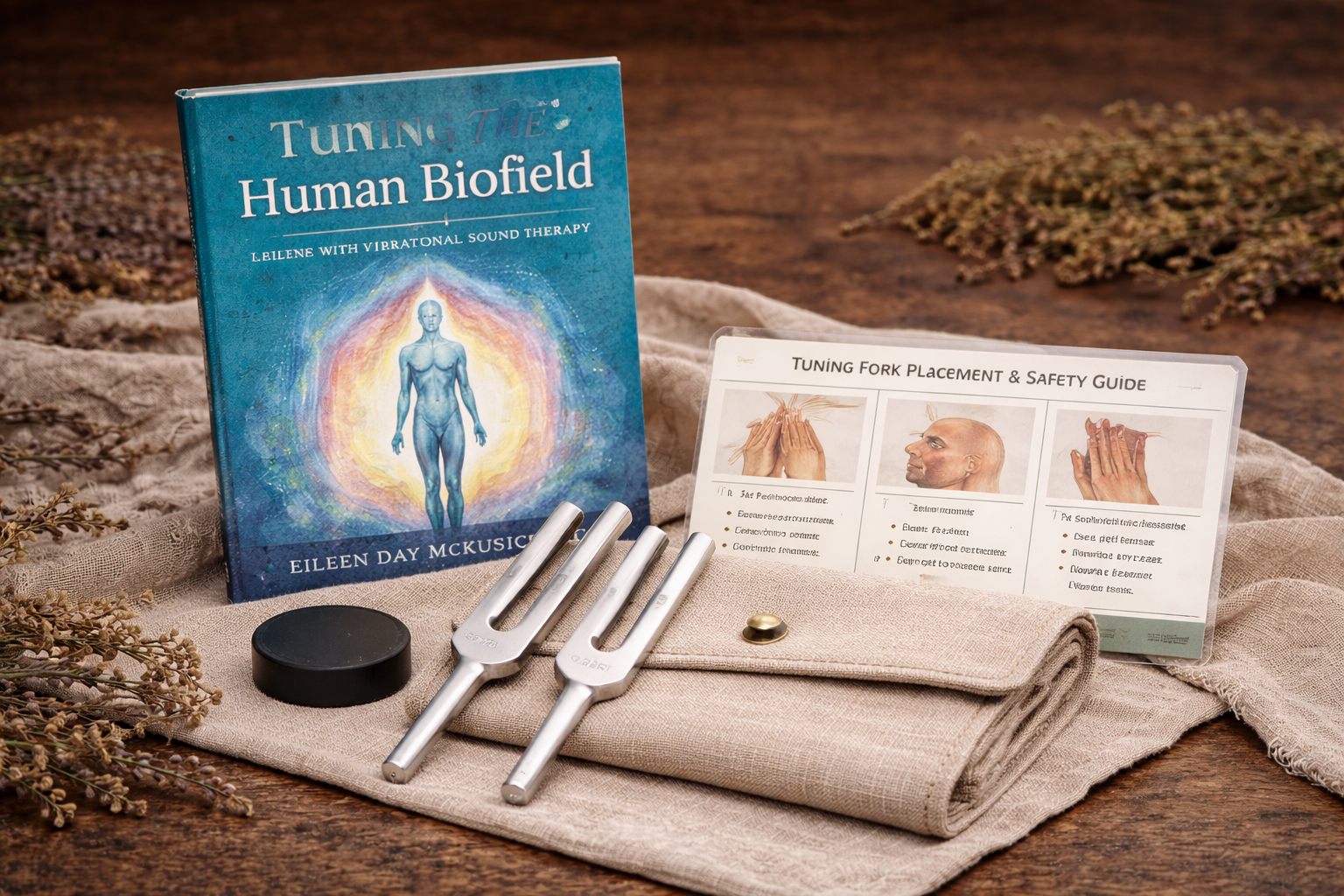
VIBRATIONAL CUES & NERVOUS SYSTEM INTEGRATION
Tuning fork use for grounding, orientation, and session completion
Description:
This course introduces estheticians to the use of tuning forks as a gentle, scope-appropriate tool for nervous system integration before, during, and after hands-on services. Rather than using sound to provoke change, students learn how to apply vibration as a subtle cue to support grounding, orientation, and closure.
Instruction focuses on timing, placement, and restraint—teaching when vibrational input supports regulation and when silence is the more appropriate choice. This class emphasizes consent, sensory awareness, and practitioner pacing to ensure tuning fork use enhances the client experience without overstimulation.
What You’ll Learn:
• The role of vibration in nervous system settling and orientation
• When to use tuning forks versus silence or stillness
• Scope-appropriate placement for grounding and integration
• Supporting session transitions and completion with vibrational cues
• Sensory sensitivity, consent, and contraindications
• Practitioner presence and regulation during vibrational work
Course 08
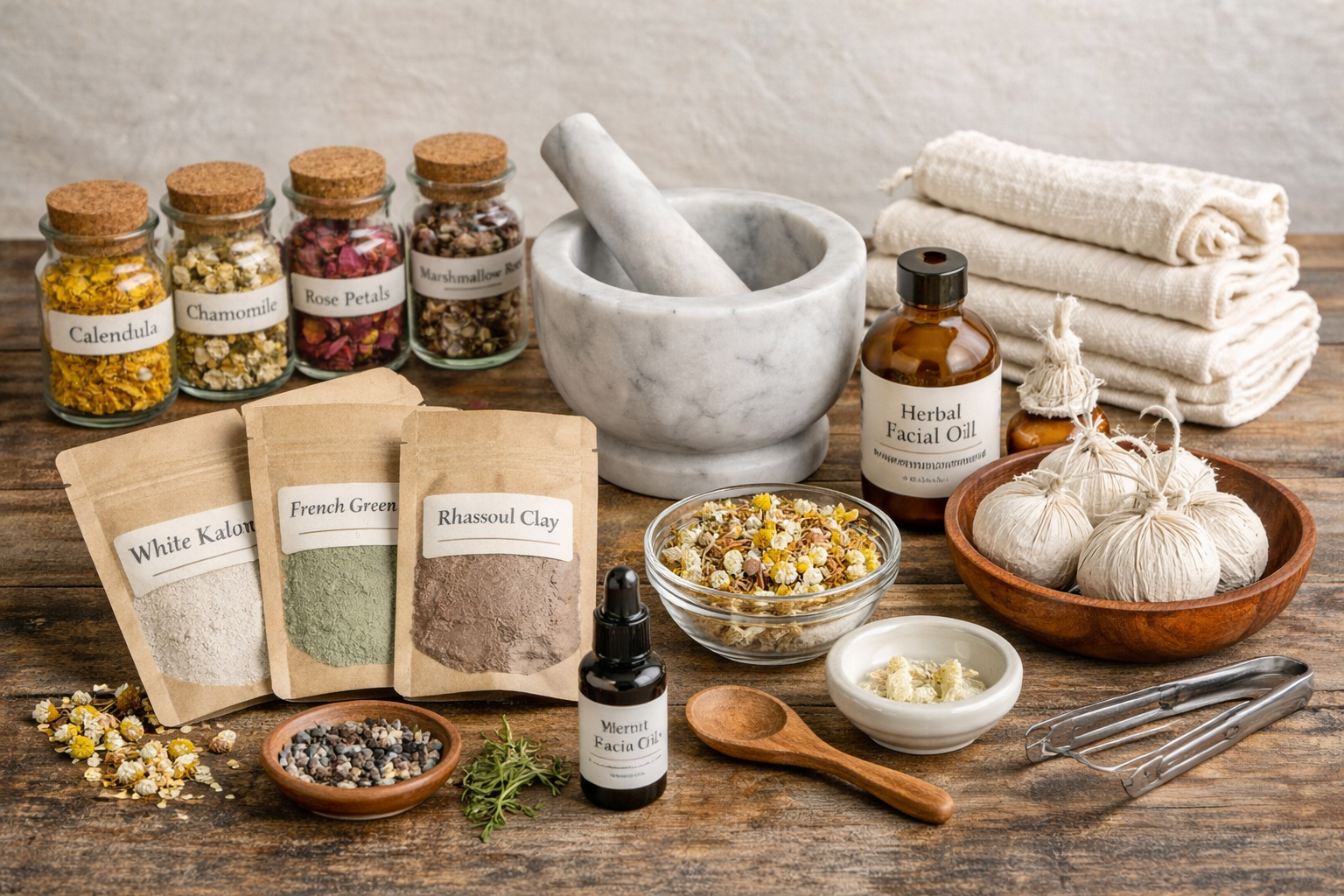
APOTHECARY ESTHETICS & BOTANICAL FACIAL PREPARATION
Herbal applications, clay formulation, and ritual-based facial enhancement
Description:
This course introduces estheticians to apothecary-style facial preparation using clays, botanicals, and topical herbal applications that support skin comfort, ritual, and sensory experience. Students learn how to work with raw materials safely and professionally—focusing on preparation methods, topical use, and integration into facial services without making medical or therapeutic claims.
Instruction emphasizes ingredient literacy, client suitability, and thoughtful formulation within esthetic scope. This class blends traditional apothecary aesthetics with modern spa application, allowing practitioners to elevate their treatments through intentional preparation and presentation.
What You’ll Learn:
• Properties and topical uses of common facial clays
• Selecting and preparing herbs appropriate for esthetic application
• Safe methods for creating compresses, masks, and infusions
• Ingredient compatibility and client considerations
• Proper sanitation and handling of raw materials
• Integrating apothecary elements into facials for enhanced experience
• Scope-appropriate language and ethical application in the treatment room
**Advanced Training for Alchemists
This will be held during the lunch hours
and will be catered.
Course 09
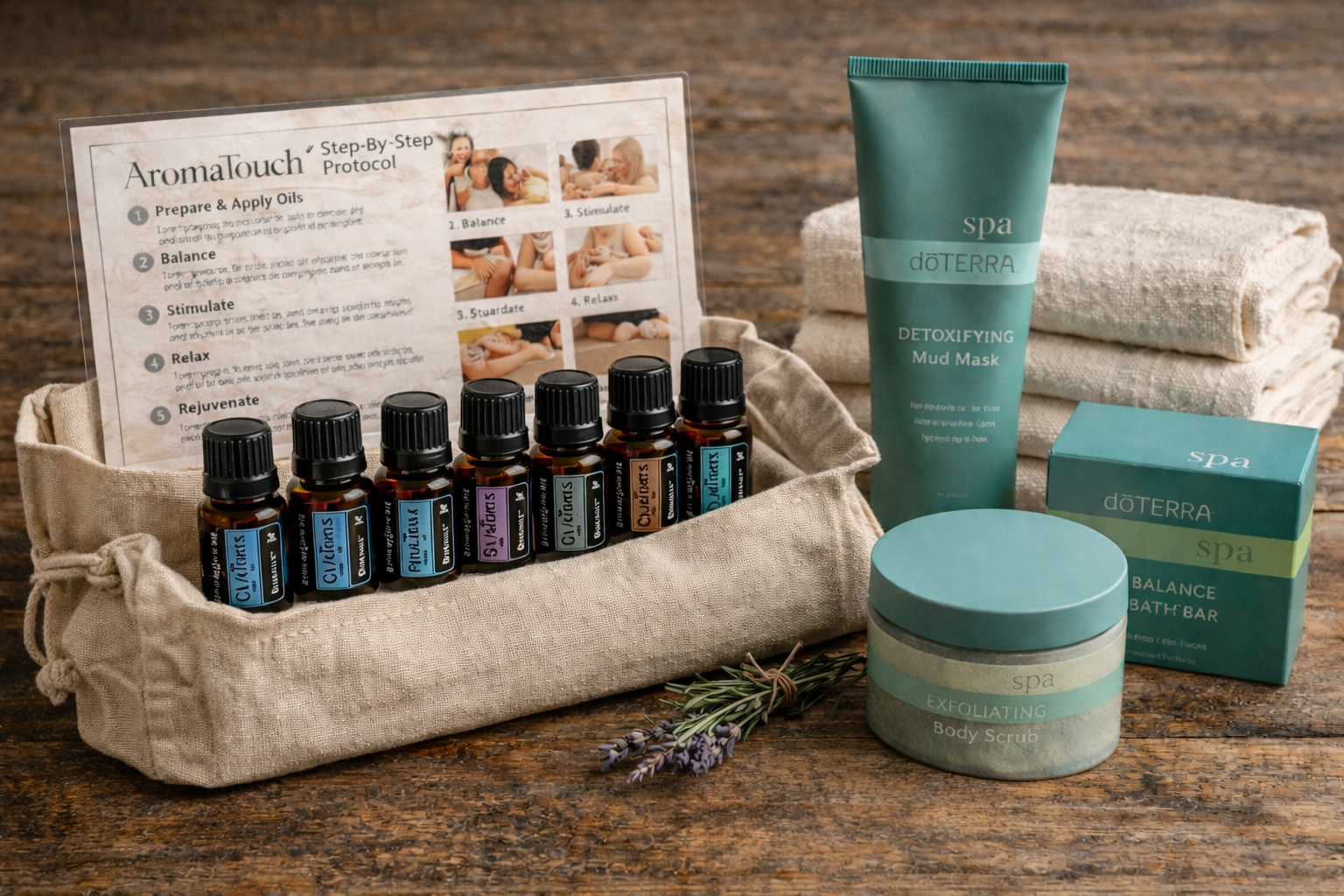
AROMATOUCH® TECHNIQUE FOR ESTHETICIANS
Aromatic application, rhythmic touch, and sensory regulation for the treatment room
Description:
This course introduces estheticians to the AromaTouch® Technique as a structured, sensory-based application method designed to support relaxation, grounding, and client comfort. Students learn how to apply essential oils using light, rhythmic touch while maintaining professional boundaries and scope-appropriate practice.
Instruction focuses on intentional pacing, pressure restraint, and observing client response throughout the protocol. Emphasis is placed on integrating AromaTouch® into spa services as a supportive, non-diagnostic experience that enhances the nervous system environment without overstimulation.
This course does not provide medical claims, diagnosis, or treatment. It is a spa-appropriate, wellness-focused approach designed for licensed estheticians seeking to incorporate essential oils into their treatment offerings responsibly.
What You’ll Learn:
• Overview of the AromaTouch® Technique and its intended application
• Proper oil dilution, placement, and sequencing for spa settings
• Rhythmic touch and pressure restraint for client comfort
• Observing nervous system cues during aromatic application
• When aromatic input may be supportive versus overstimulating
• Integrating AromaTouch® into facials, body-adjacent services, or closing rituals
• Professional language, consent, and scope considerations for essential oil use
**Advanced Training for Alchemists
This will be held during the lunch hours
and will be catered.
Course 10
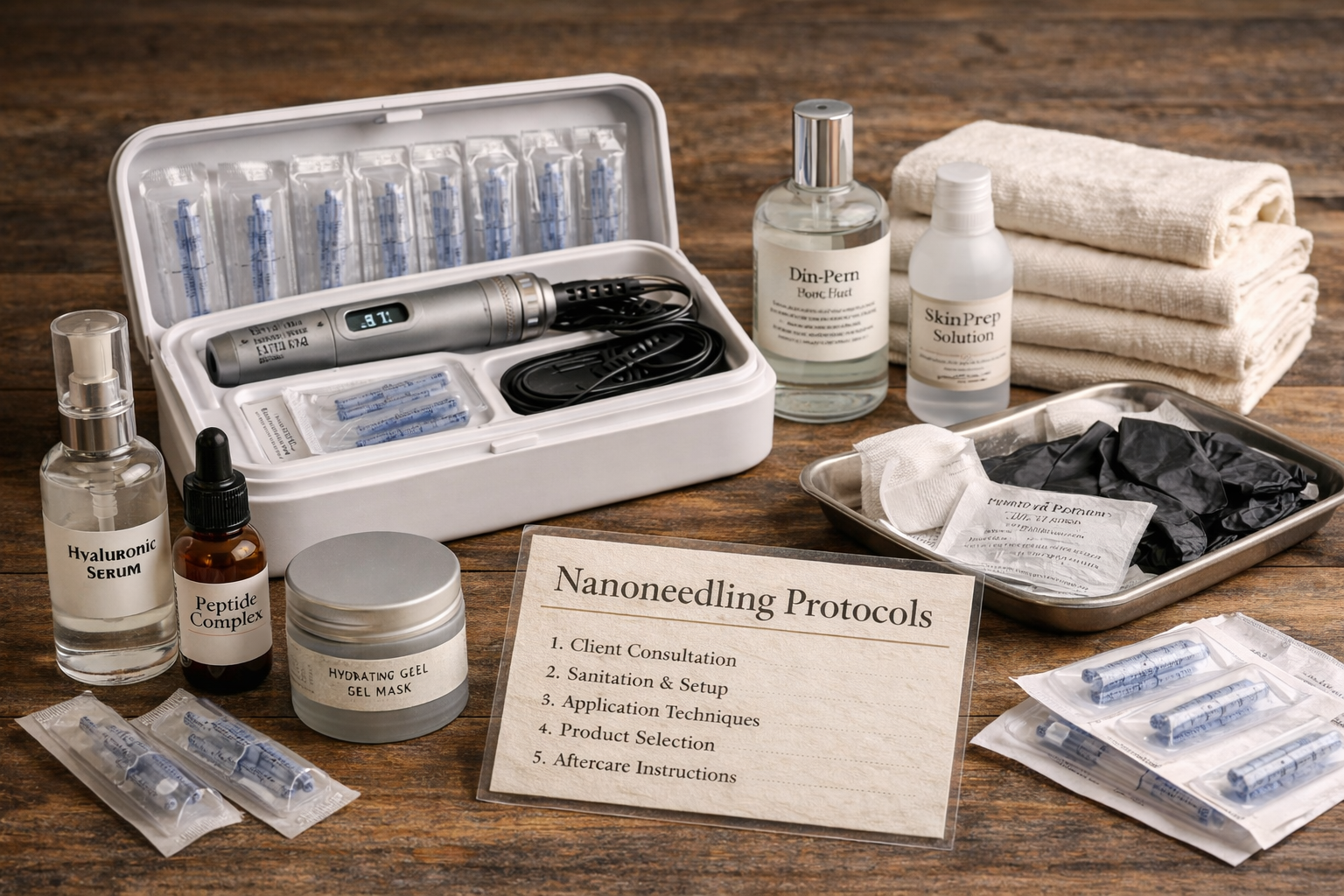
EPIDERMAL NANONEEDLING FOR ESTHETICIANS
Cosmetic channeling, barrier-respectful application, and advanced facial refinement
Description:
This course introduces estheticians to epidermal nanoneedling as a cosmetic, non-invasive technique designed to support refined skin texture and product application while respecting the skin barrier. Instruction emphasizes precision, sanitation, and controlled use that remains strictly within the epidermis, in accordance with Tennessee scope of practice.
Students learn how nanoneedling differs from medical microneedling, how to select appropriate cosmetic-grade products, and how to integrate the technique responsibly into facial services without inducing injury or inflammation.
What You’ll Learn:
• The distinction between epidermal nanoneedling and medical microneedling
• Device handling, sanitation, and disposable cartridge protocols
• Depth control and pressure restraint for epidermal-only application
• Appropriate cosmetic products for nanoneedling (and what to avoid)
• Client selection, contraindications, and informed consent
• Integrating nanoneedling into facials while maintaining barrier integrity
**Advanced Training for Alchemists
This will be held during the lunch hours
and will be catered.
FAQs
-
The ones who crave depth.
Wildwood draws estheticians who are ready to trade burnout for breath, speed for sacred rhythm. They’re skilled, intuitive, and tired of being asked to separate professionalism from soul. If you’ve ever whispered there has to be more than this—you belong here. -
Every Wildwood ticket includes lodging, full access to immersive classes, sacred training kits, and all materials needed for your selected workshops. Alchemist-tier guests also receive catered lunches during their advanced class days. Light snacks and tea offerings are available throughout, while other meals are yours to explore, reflect, or share with fellow attendees.
-
The class schedule is preset and intentionally designed to flow as a complete journey. Each session builds on the last—physically, emotionally, and energetically—so you can stay grounded and fully immersed. Rather than choosing classes, you’ll move through a curated experience meant to restore rhythm, deepen skill, and carry you from start to close with purpose.
-
Wildwood blends clinical precision with ancestral wisdom. You'll train in advanced hands-on techniques while also learning how to regulate the nervous system—both yours and your client’s. This isn’t about trends or surface-level skills. It’s deep, somatic, herbal-rooted education designed to restore your craft and elevate your confidence in the treatment room.